10 Warning Signs Your Home Needs Electrical Rewiring
Own an older home in San Antonio? There’s a decent chance your wiring was never built for how you actually live today. Houses wired back in the 1960s or 70s weren’t made with laptops, streaming boxes, central air, a kitchen full of appliances and EV chargers in mind. Nobody planned for that back then. And that gap between what the wiring can handle and what you’re actually plugging in is where real danger starts.
Electrical fires cause more than 51,000 incidents across the U.S. every year. Hundreds of people die. Property damage runs past $1.3 billion. A lot of those fires start the same way, with old house electrical problems like wiring that’s outdated, worn out, or just carrying way more than it was built for.
So here are 10 signs your home needs rewiring. Notice two or three on this list? Time to get a licensed San Antonio electrician out to take a real look before it turns into something worse.
What Rewiring Actually Means
Whole house rewiring is exactly what it sounds like. You pull the old wiring out and put in new, code-compliant copper wiring instead. New outlets. New switches. Often a new panel too, one that can handle what your home actually needs now.
Homes built before 1985 tend to be the problem cases. A lot of houses from the 1940s through the 70s still have knob and tube wiring or aluminum wiring. Both carry more fire risk than copper does. Even copper wiring isn’t immune though. Give it decades and the insulation breaks down, connections come loose, small problems pile up.
Think about what a San Antonio home runs today. Central AC, two or three fridges sometimes, washers, dryers, home offices, EV chargers now too. None of that existed when these houses were first wired. That’s why so many older systems start falling behind and eventually need home electrical rewiring.
When to Upgrade Your Electrical Panel
Panels rarely just die out of nowhere. There are usually signs first, and it helps to know when to upgrade electrical panel equipment in San Antonio before you’re dealing with an emergency.
If a few of these sound familiar, it’s worth having someone take a real look before it turns into something worse.
10 Signs It Might Be Time to Rewire
Some of these you’ll notice right away. Others are easy to shrug off. Don’t.
Your Breaker Keeps Tripping
Every home trips a breaker now and then. That’s normal. But if circuit breaker tripping happens over and over, something’s wrong. Either your circuits are overloaded or the wiring behind them just can’t keep up anymore. This is common in older homes where the panel was sized for way less than what’s running through the house today. Keeps tripping? Your wiring’s probably deteriorating, or you don’t have enough circuits, period.
Lights Flicker or Dim for No Reason
You turn on the AC and the lights dim. Or they just flicker on their own sometimes. This usually means a loose connection somewhere, an overloaded circuit, or wiring that’s starting to go bad. Flickering lights in older San Antonio homes often come down to wiring that can’t hold steady voltage once you put more load on it. One room flickering, maybe not a big deal. The whole house? That’s your system telling you it needs attention.
You Smell Something Burning
This one’s not optional. A burning smell from outlets, switches, or your panel means something is overheating right now, not later. Could be a loose connection. Could be damaged wiring. Could be a circuit carrying more than it should. Smell it? Cut the power to that area and call someone immediately. Don’t wait until morning. Overheated wiring can catch fire in minutes, which is one of the scarier electrical fire hazards a home can face.
Most straightforward jobs wrap up in a single day. Bigger projects, especially ones needing utility coordination, can stretch longer.
Outlets Look Discolored or Feel Warm
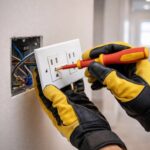
Check your outlets and switches. See brown or black marks around the edges? Feel any warmth? Both point to arcing or overheating happening right there. Discolored outlets and warm outlets or switches don’t just happen. The plastic only scorches when the connection gets hot enough to do it. Leave it alone and that heat can melt the outlet, damage the wiring in the wall, maybe start a fire. Replace it. Get the wiring behind it checked too.
You Hear Buzzing or Crackling
Wiring should be quiet. Full stop. Hear buzzing sounds from wiring, or crackling, or sizzling near a wall, outlet, or your panel? That’s usually electricity arcing somewhere it shouldn’t. Loose connection, damaged wire, something like that. Arcing means heat, and heat near flammable material is bad news. Hear this along with a burning smell or flickering lights? Kill the power to that area right away and call an electrician.
Plugging Something In Gives You a Shock
Even a small tingle counts. Feel one of these electrical shocks when plugging in appliances, and that’s your outlet telling you it isn’t grounded properly, or there’s a fault letting current escape. Really common in older homes with two-prong outlets and no ground wire at all. The shock feels minor now. But it means your system isn’t containing electricity the way it should, and that risk only grows.
Most of Your Outlets Are Two-Prong
Look around your house. Mostly two-prong outlets instead of three? You’ve got ungrounded wiring. Two-prong was the standard before the 1960s, but it doesn’t give modern electronics and appliances the ground path they actually need. Higher shock risk. Can damage your devices too. And they weren’t built to handle what today’s computers, gaming setups, and kitchen gear demand. A house full of two-prong outlets is a pretty clear sign it’s time for an old home electrical upgrade.
Your Panel Has Fuses, Not Breakers
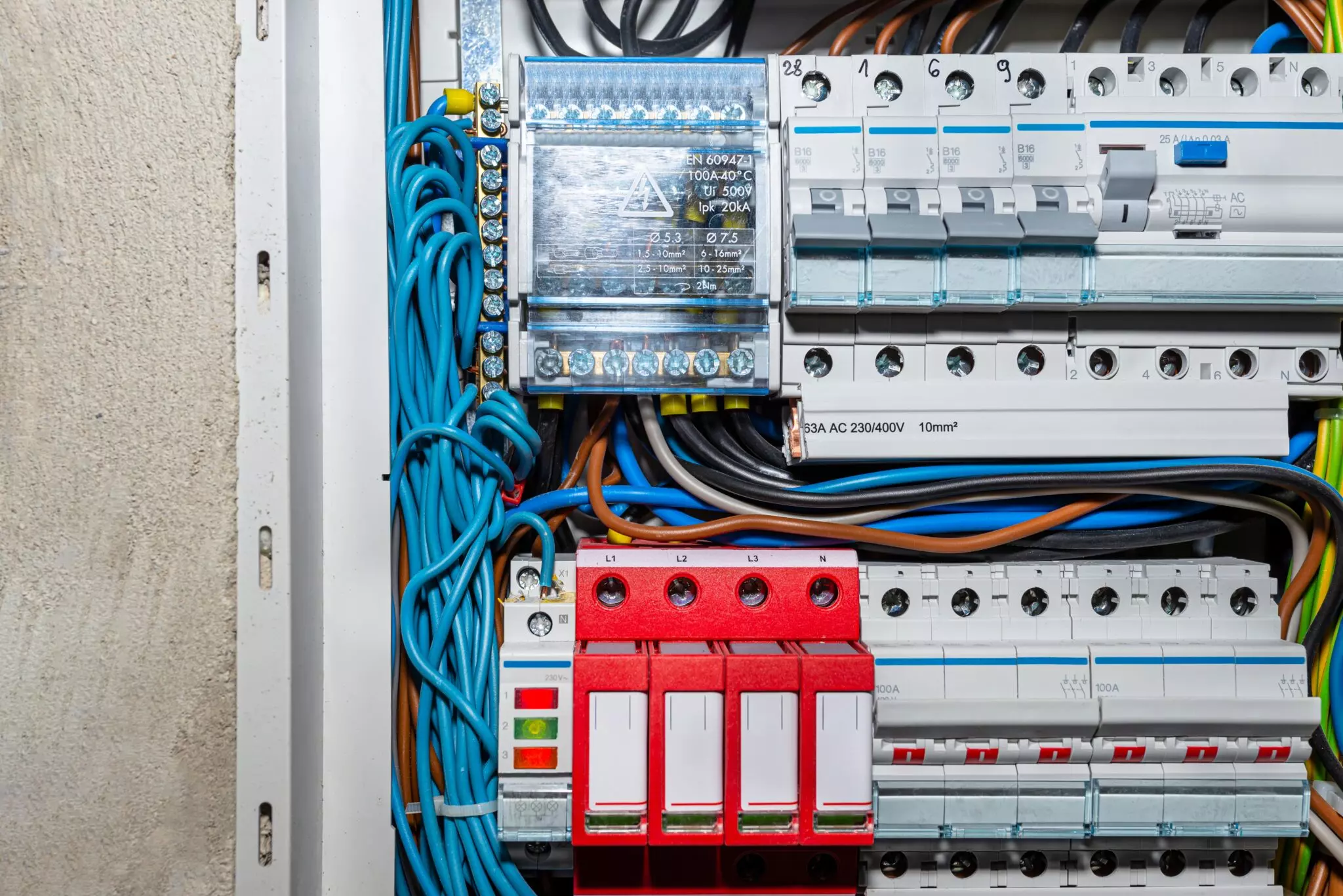
Open the panel. Fuses instead of breaker switches means you’ve got an outdated electrical panel, plain and simple. It’s basically a fuse box vs circuit breaker situation, and fuse boxes stopped being the standard back in the 1970s for good reason. They don’t trip as reliably as breakers do. And homeowners sometimes swap in higher-amp fuses without realizing that lets the wiring carry more current than it should safely handle. Still got a fuse box? Put upgrading it near the top of your list.
Aluminum or Knob and Tube Wiring
Homes from the mid-1960s to early 1970s sometimes got aluminum wiring instead of copper. It overheats more easily, and plenty of insurance companies won’t even cover a home that has it unless it’s been fixed or swapped out. Older still, homes before 1950 might have knob and tube wiring, the ceramic knob-and-tube system that carries single wires with no ground at all. It breaks down with age and is a known fire risk, one of the more serious electrical safety hazards you’ll find in an old house. Either one should get replaced through proper electrical wiring replacement sooner rather than later.
You Live Off Extension Cords and Power Strips
Extension cords are supposed to be temporary. If they’ve basically become permanent fixtures because you don’t have enough outlets, that says something about your circuits. Running big appliances through cords, or chaining power strips together, puts real strain on a circuit and raises fire risk. Constantly unplugging one thing so you can plug in another? Your home needs more circuits and updated wiring. Not more extension cords.
How Old Is Too Old?
There’s no magic number for when to rewire a house, but some patterns hold up. Homes built before 1985 usually weren’t designed for today’s power needs. Plenty of San Antonio neighborhoods still have houses from the 1940s through the 70s running on wiring that’s original, or only partly updated.
Before 1950, probably knob and tube. Mid-1960s to early 1970s, aluminum’s a real possibility. Even homes from the 80s and 90s might have copper wiring that’s now 30 or 40 years old and starting to wear down.
Rule of thumb: home’s 40 years or older with no full electrical update? Get a proper home electrical inspection in San Antonio and see where things stand.
What Actually Happens During Rewiring
Whole house rewiring is a big job, but it’s one Cobalt Electrical does all the time for San Antonio homeowners as part of our home rewiring services. Most projects take 3 to 7 days. Depends on the size of your home, how many circuits are involved, whether drywall needs to come down and go back up.
Before we start anything, you get a day-by-day plan. No surprises. Our team runs new copper wiring through your walls, replaces outlets and switches, brings everything up to full electrical code compliance. We keep the disruption as low as we can and leave your home clean when we’re done.
End result? A modern electrical system built for what your household actually needs now, not what a family needed 50 years ago.
Why Waiting Is a Bad Idea
Delaying rewiring isn’t just annoying, it’s genuinely risky. Electrical fires usually start inside the walls, out of sight, so you often don’t get much warning before things go wrong.
There’s the insurance side too. A lot of insurers flat out won’t cover homes with aluminum or knob and tube wiring. Some charge way higher premiums if they do. Others won’t write a policy at all until you rewire.
House rewiring cost is real, no doubt about it. But it’s nothing compared to what a house fire, a denied insurance claim, or something worse would cost you.
When to Call a Licensed Electrician
See two or more of these warning signs in your home? That’s your cue. Call someone for a licensed electrician inspection. Don’t wait for an emergency to force your hand.
Cobalt Electrical handles electrical rewiring San Antonio homeowners trust, checking your wiring, panel, outlets, the whole system. We’ll tell you straight what needs fixing now, what can wait a bit, and what your upgrade options actually look like.
We’re licensed, insured, and honest about pricing. Need a full rewire or just some targeted fixes? Either way, you get a clear plan and a real estimate before any work starts.
Frequently Asked Questions
Don't Ignore These Signs
Old wiring is easy to ignore right up until it isn’t. Flickering lights, burning smells, breakers that trip too much, outlets that feel warm or look discolored, that’s your home trying to tell you something.
Notice more than one of these? Don’t wait around for it to get worse. Call Cobalt Electrical for a full inspection. We’ll check your wiring, your panel, your whole system, and give you a straight plan for keeping your San Antonio home safe for years to come.
Contact Cobalt Electrical today for your rewiring inspection and estimate. We serve San Antonio, Bexar County, and the surrounding areas with licensed, insured electricians you can count on.