My nephew discovered an outlet before discovering his name. He was eight months old and had barely begun pulling himself up to stand on the coffee table, but he had somehow discovered the one bare outlet in the living room. Thankfully his mother stopped him in time. Every parent has a story like this or one is on the way.
Kids gravitate toward outlets the same way they gravitate toward anything within reach and slightly off limits. It’s not something you can parent your way out of entirely. The better question is whether the outlet itself is actually safe by the time they get there.
Why This Isn't Something to Shrug Off
A dripping faucet is annoying. Bad wiring is different. Electrical faults are among the top causes of house fires across the U.S., which sounds dramatic until you realize how often it starts with something small, an outlet nobody thought twice about, a DIY fix that wasn’t quite right. Licensed electricians go through actual training for a reason. They’re legally accountable for the work too, which is more than you can say for a weekend YouTube tutorial.
The Numbers Behind This Are Worse Than People Expect
Thousands of kids end up in emergency rooms across the U.S. every year because of electrical injuries at home, and most of it comes from something completely unremarkable. A cord left on the floor. A power strip stuffed under a blanket in the nursery. An outlet cover that fell off months ago and never got replaced. None of it looks dangerous sitting there. That’s the whole problem.
How a House Changes Once a Kid Starts Moving
A home without young children can get away with electrical habits that stop making sense the moment a baby starts crawling. Once that happens, the risk profile of the whole house shifts fast.
- Outlets go from invisible to irresistible, especially for kids under three
- Cords stop being a minor annoyance and become both a trip hazard and a chew toy
- Kitchens and bathrooms carry more risk simply because water’s nearby
- Playrooms and closets quietly collect overloaded power strips behind toy bins and furniture
- Older wiring, installed long before anyone owned three chargers per person, starts showing its age
What a Real Inspection Actually Covers
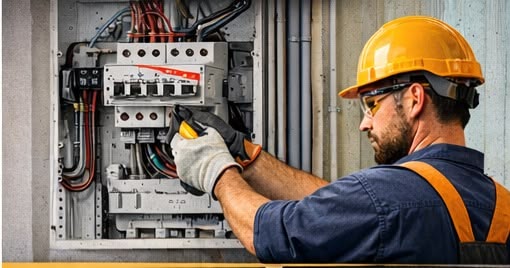
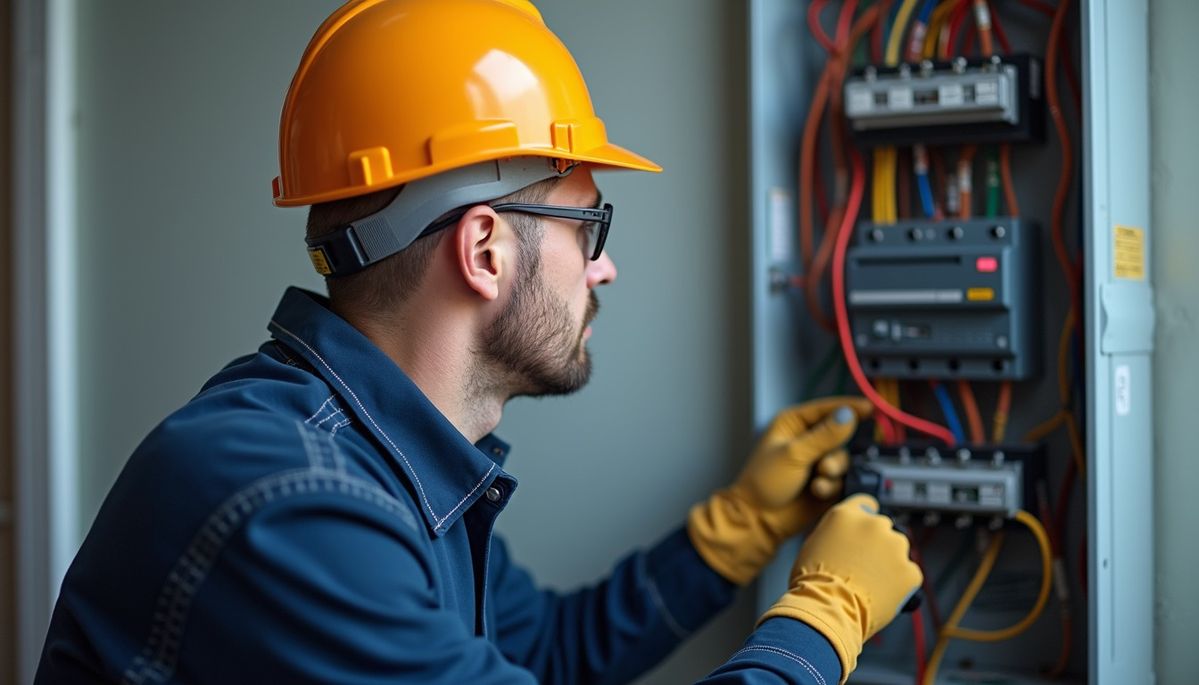
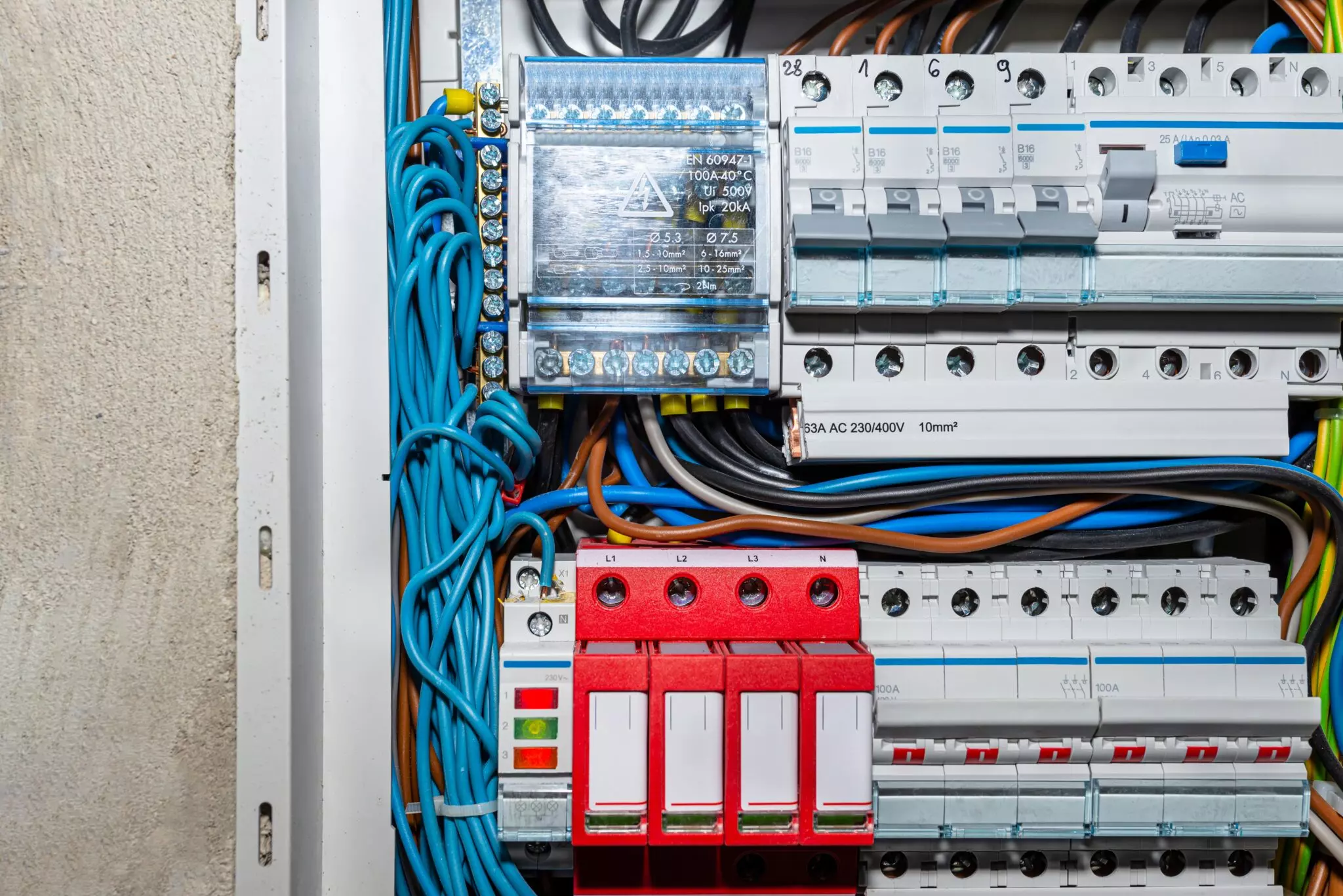
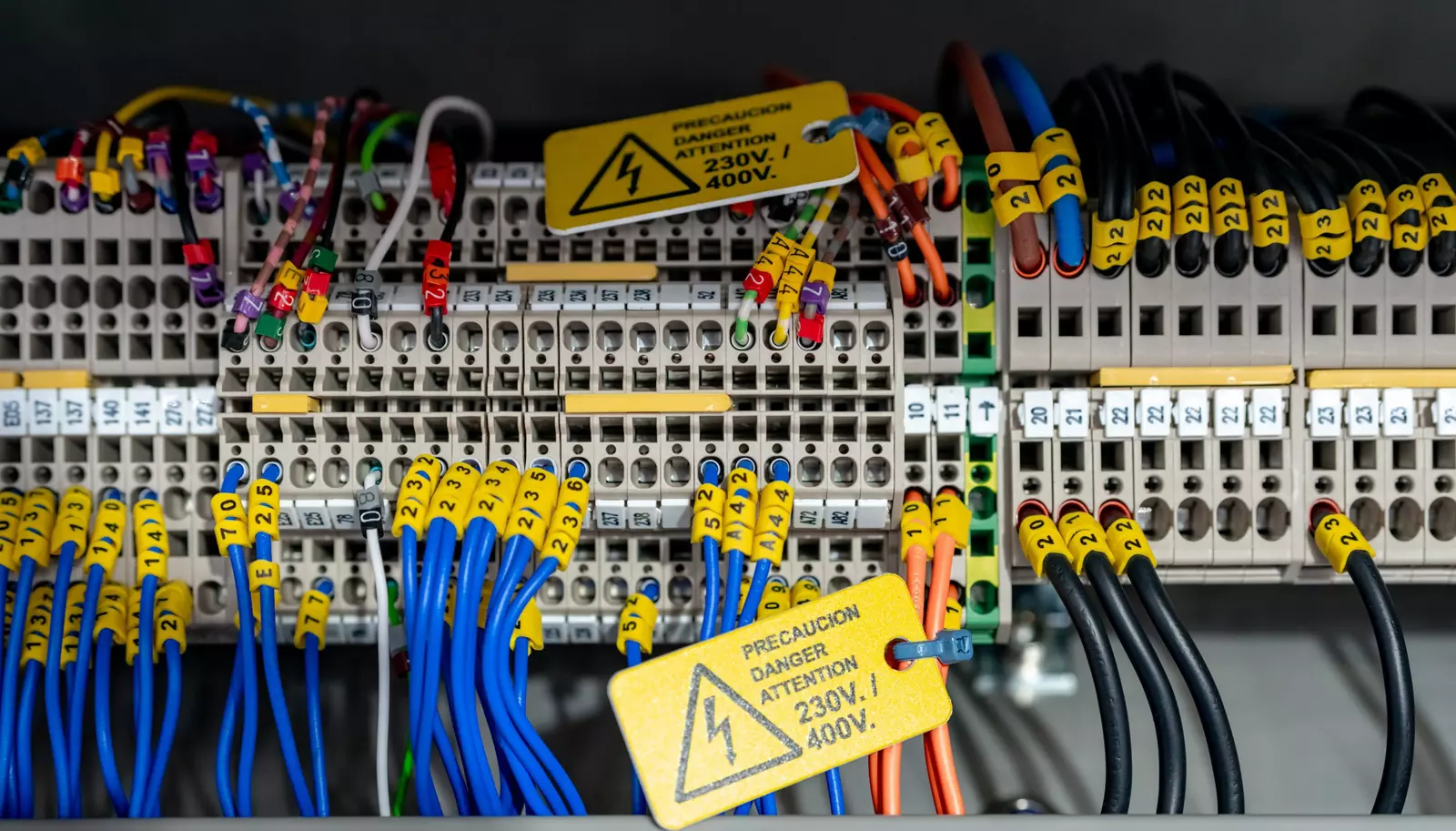
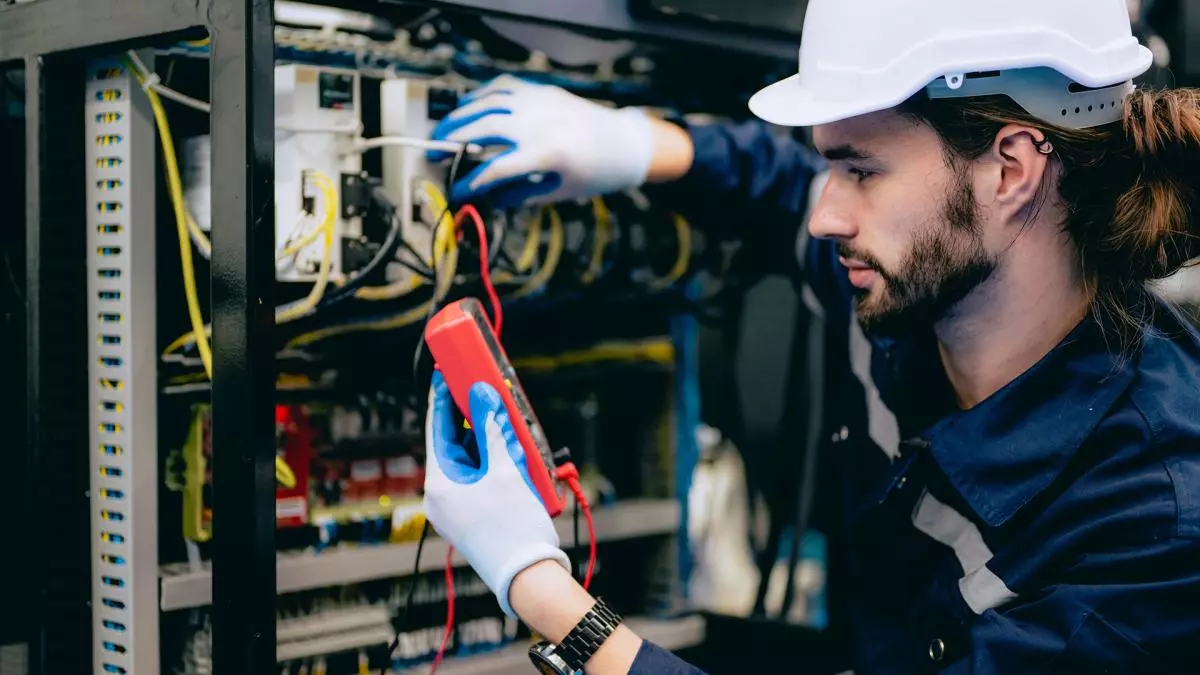
A proper electrical safety inspection isn’t someone glancing at your breaker panel for thirty seconds and moving on. It’s a room by room walkthrough looking specifically for what puts kids at risk.
If you haven’t had your electrical panel inspected for some time now, then this might just be the correct place to start, especially if your electrical panel is old or small.
Hazards by Age, Since They Actually Shift Over Time
What’s risky for a crawling baby isn’t quite what’s risky for a curious four year old, and it helps to think about it in stages.
Signs Your Home Might Need a Closer Look Soon
- Outlets without any childproof covers at all
- Cracked or loose outlet covers and switch plates
- Extension cords being used as a permanent fix instead of a temporary one
- A breaker panel nobody’s checked in years, maybe ever
- A home over 20 years old still running its original wiring
- Devices or chargers that feel warm during normal use
- A kid who’s already tried poking something into an outlet, which happens more than parents like to admit
What You Can Handle Yourself This Weekend
Not everything needs a professional visit right away. Some of this is a Saturday afternoon project.
- Cap every unused outlet with a tamper resistant cover
- Move power strips and chargers up and out of reach in play areas
- Confirm outlets near sinks and tubs actually have GFCI protection
- Tuck loose cords behind furniture, or run cord covers along baseboards
- Test every smoke detector and swap batteries if it’s been over a year
- Unplug small appliances like toasters, curling irons, or humidifiers when they’re not in use
Tamper Resistant Outlets Are Worth the Upgrade
Most new construction requires tamper resistant receptacles by code now, and once you see how they work, it’s obvious why. These outlets have a spring loaded shutter built in that only opens when pressure hits both slots at the same time, which is how a real plug works and how a hairpin or key simply doesn’t. If your home still has the older standard outlets throughout, upgrading them is one of the more affordable, higher impact changes a licensed electrician can knock out in an afternoon.
What Happens After a Hazard Turns Up
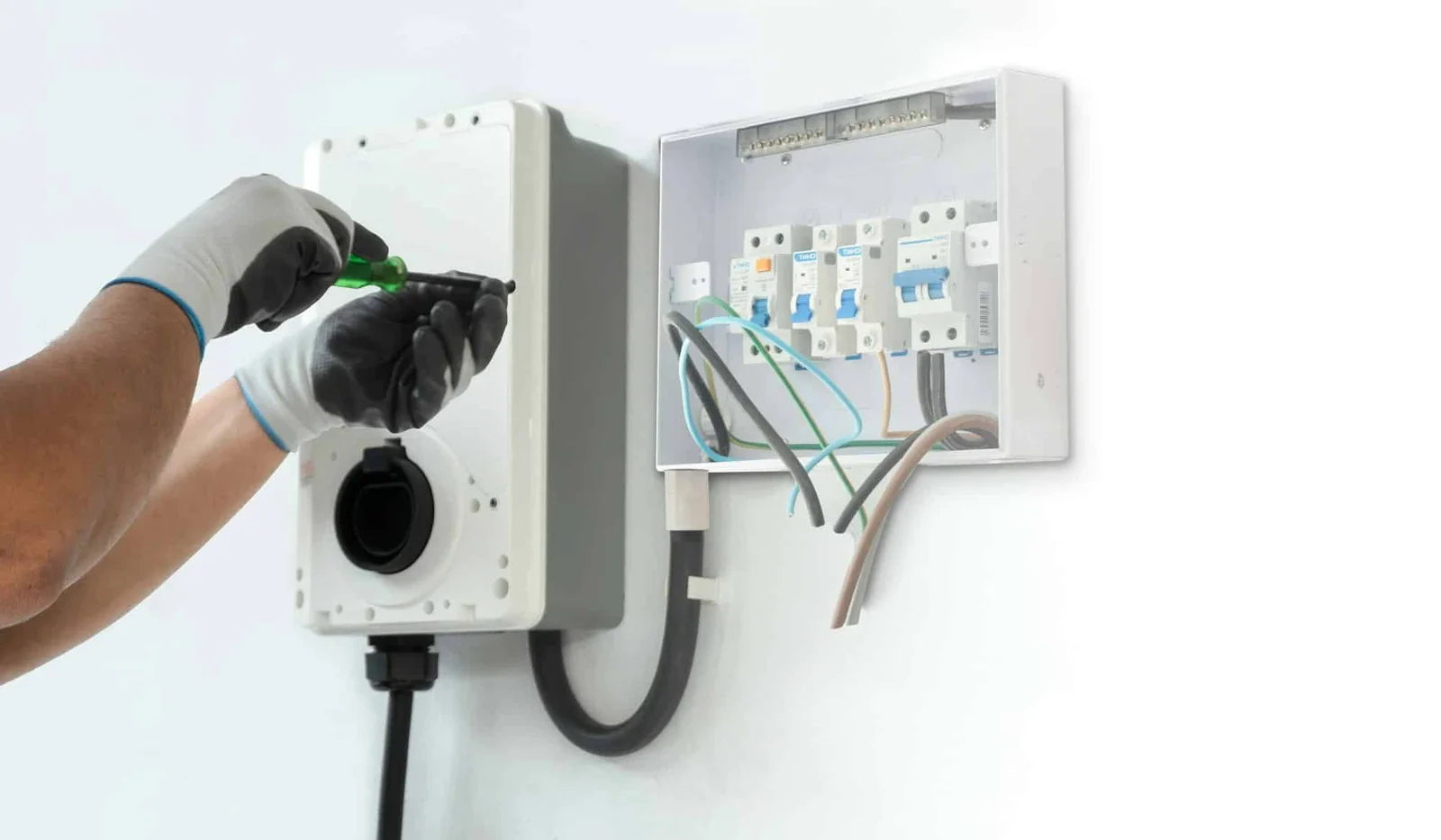
Say an electrician finds something during the walkthrough. What happens next depends on what it is. A missing outlet cover gets fixed in minutes, barely worth mentioning on the invoice. Outdated wiring or an undersized panel takes more planning and a bigger investment, but that’s exactly the kind of fix that matters most in a house where kids are underfoot daily. If your panel comes up as a concern, our guide on signs you need an electrical panel upgrade walks through what that process actually looks like.
How Often This Should Happen
Electricians suggest a total check-up every 3 to 5 years for safety reasons. Families with babies should consider having their home inspected on a more frequent basis – at least annually, when their children start to crawl, walk, or simply become too big for some things to be unreachable. A brief review done by yourself, combined with an inspection carried out by a professional on a yearly basis, is usually sufficient.
Frequently Asked Questions
Don't Wait for a Close Call to Take This Seriously
Most parents only start thinking about electrical safety after something nearly happens, a chewed cord, a scare with an outlet, a charger nobody noticed was warm until now. Cobalt Electrical serves San Antonio and the surrounding areas, including Bexar, Comal, Guadalupe, and Wilson County, and we’d rather catch the problem before your kid does. Schedule a child safety focused electrical inspection today and know exactly where your home stands, room by room, outlet by outlet.