EV Charger Installation Cost in San Antonio and What Homeowners Should Expect
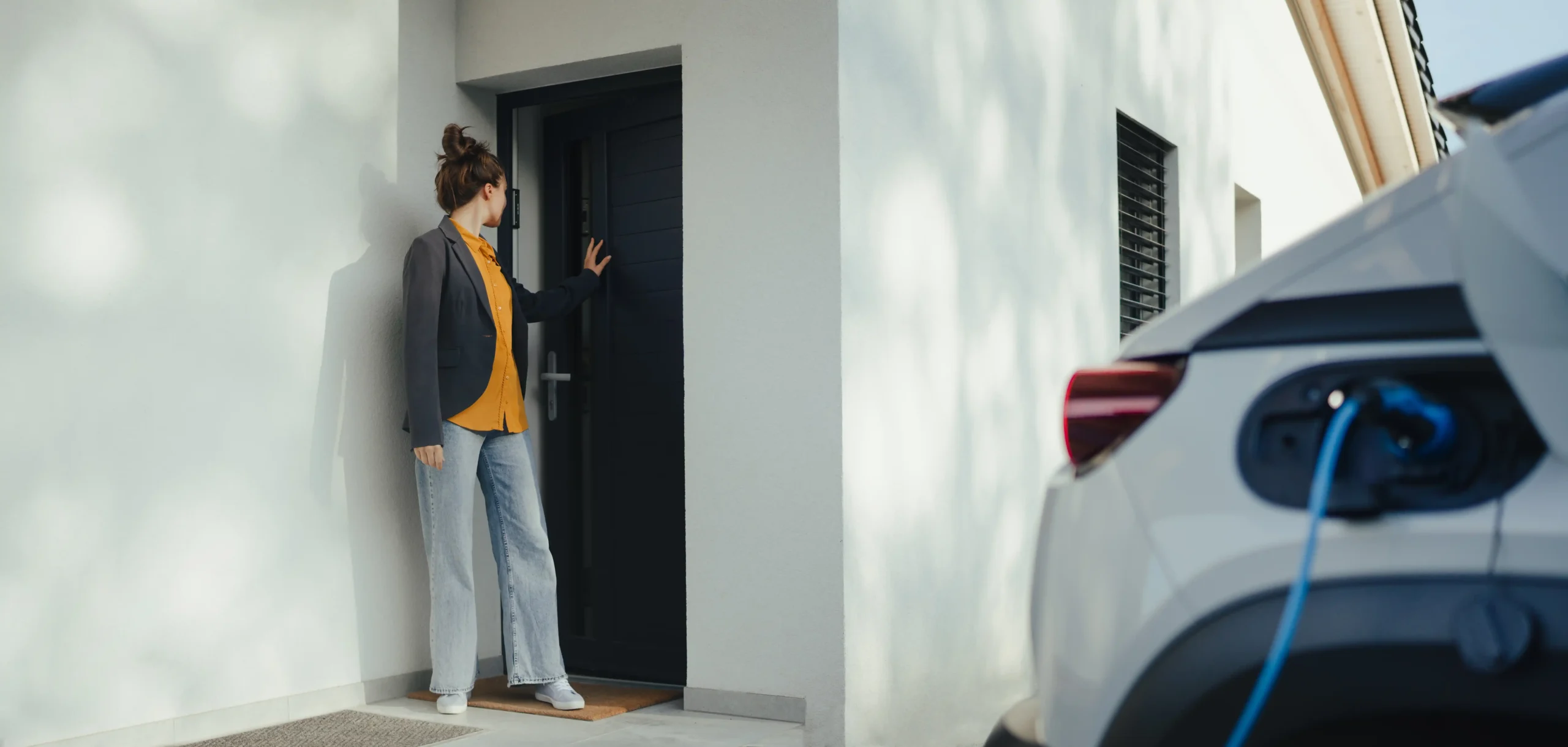
After purchasing your electric car or planning to do so, one of the very first things you might want to know is how much it costs to install an EV charger in San Antonio. This is a good question, but unfortunately the right answer would be “it depends”. Nevertheless, it is possible to notice some kind of tendency. The installation price for your own electric car charging station at home in San Antonio usually varies in the range of $1,223 – $2,070.
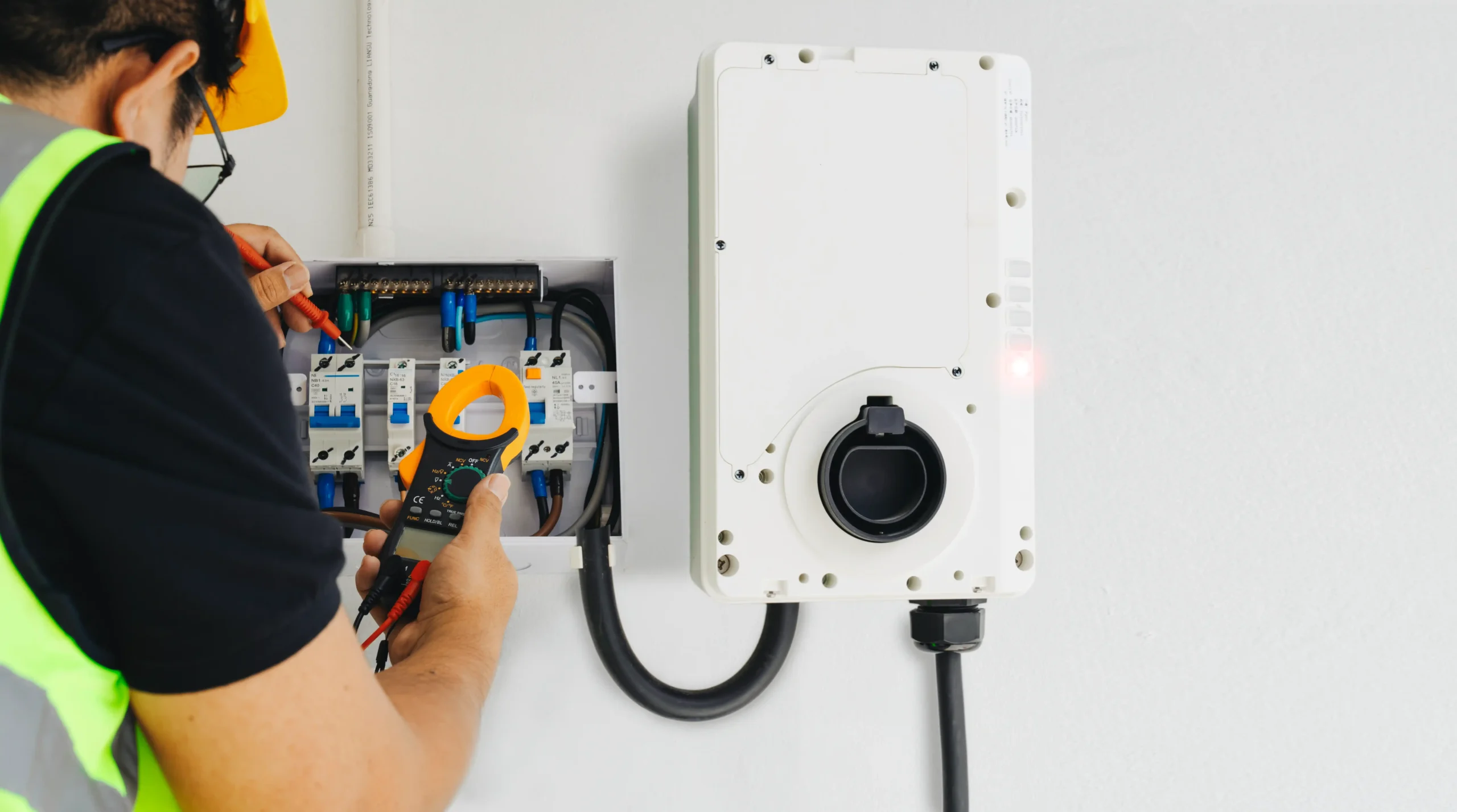
In reality, the total price can be broken down into four individual items. It starts with the charger components, then there’s the cost of installing the wiring, as well as upgrades for any panels or services your house may need. After breaking down those components, an EV vehicle charger installation cost quote no longer seems like a mystery.
This guide analyzes all the components, explains the reasons behind such a wide disparity in prices between different homes, and gives tips on what questions to ask before employing anybody. The basics are universal for all homeowners, but we will narrow it down to San Antonio, TX, soon enough.
Is the Installation Cost the Same as the Cost of the Charger?
It doesn’t have to be; this is where many customers get confused. Whenever you look at the cost of installing an EV charger in San Antonio, it could be just labor costs or it could be labor plus the cost of the charger. To avoid being misled by lower quotes, always inquire about the type of quotation first. This way, you’ll never compare a lower priced labor-only quote against a higher priced quote that includes the charger.
Here are some key elements to look for in a good quotation.
- The charger equipment cost and brand, or a note that you’re supplying your own
- Labor cost for the electrician
- Materials cost, including wire, conduit, breaker, and fittings
- Any panel upgrade or subpanel work
- The permit and electrical inspection
- Extras like a smart charger, surge protection, or a load management device
Level 1, Level 2, and Level 3 EV Charging Defined
To understand the costs involved, you must first understand what you are getting. There are three levels of EV charging, each acting quite differently.
The level 1 chargers come pre-installed on several vehicles and work by plugging into a regular socket found in homes, but they are really slow. In fact, an entire overnight charging period would not even be enough to power a vehicle when driving 40 miles every single day. That is why most owners go for the level 2 charger because it would charge the car battery overnight without any problem at all. The level 3 charger needs commercial electrical power, and thus it cannot be installed at homes. One could charge their vehicle with a regular household outlet, but this process is really slow.
The Importance of Having a Dedicated 240 Volt Circuit
According to the National Electric Code, a Level 2 charger is considered to be a continuous load, as it operates continuously for several hours. Continuous loads have additional safety margins built into them and are therefore wired using circuit sizing which is higher than the actual load drawn.
This essentially means that you should have a dedicated 240 volt circuit complete with its own double pole breaker. Here is how the relationship between circuit sizing and charger output looks like.
The benefit of increased amperage is that the battery can be charged faster; however, only in case your car can handle such power input. Most of the cars cannot take even half of the maximum output of the charger. This is why more amperage does not guarantee more efficiency.
What Determines the Cost of Installation of an Electric Car Charger?
The factors that influence the installation charges for an electric vehicle charging station boil down to some very particular factors in your household. The estimates in San Antonio normally include four major elements.
Not all the components are necessarily needed in every case. If you have enough room for installation of a new circuit and the car is parked within the vicinity of the electrical panel, the upgrade and installation of an additional circuit are unnecessary, and you only need to purchase the charger and permits.
Factors Determining the Price of an EV Charging Station Installation in Your Home?
Two houses located in the same community can have quite different quotes. Here are the factors that drive the price.
- Type of charger. The more advanced the charger is, the higher the price. For instance, if you need to install a smart charger that has scheduling and tracking functionality, as well as ability to use your phone app to control the charging process, then it will cost you more money.
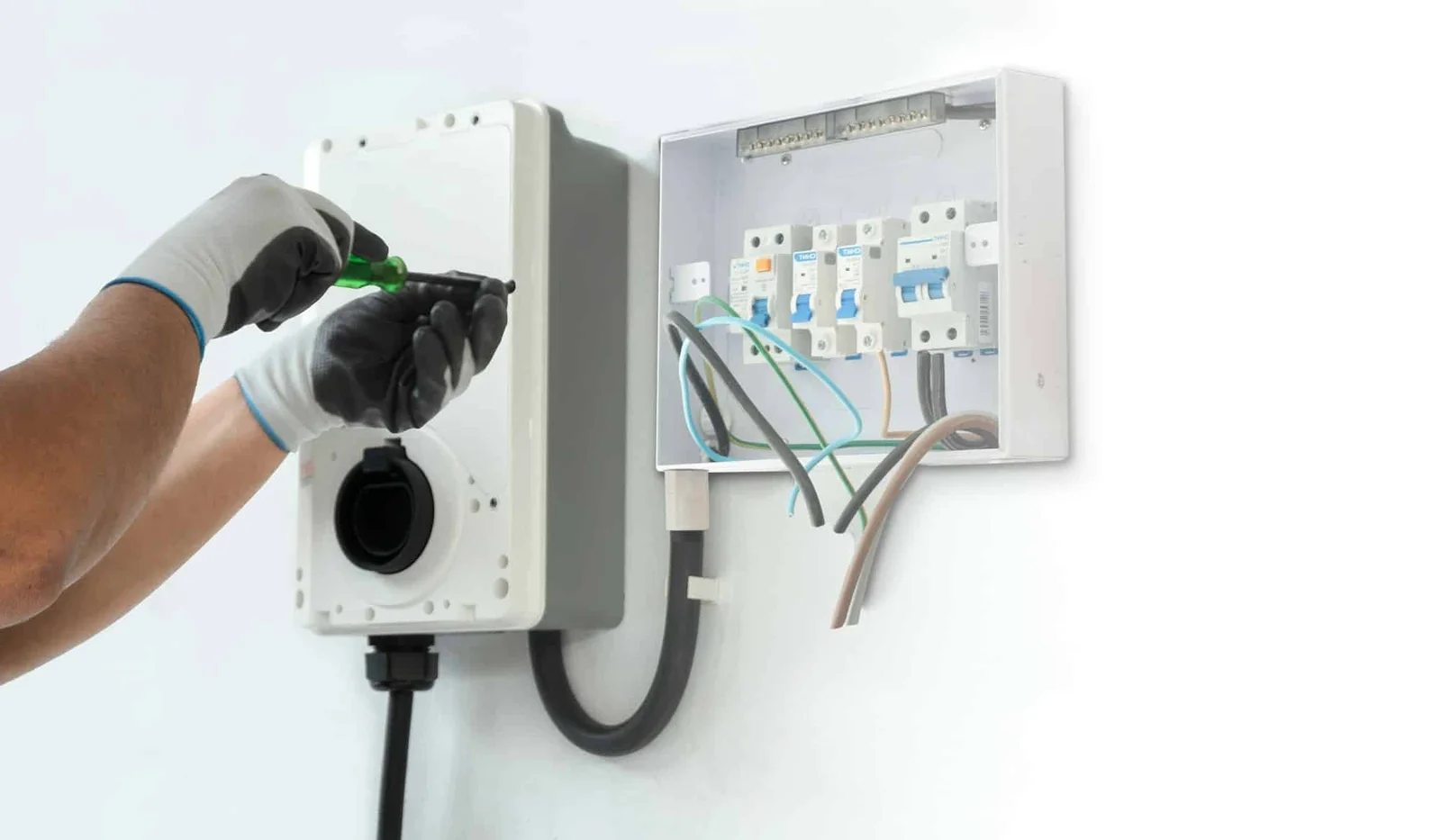
- Plug-in vs. hardwired. Plug-in EV charger is connected through NEMA 14-50 outlet and is easier to replace in the future.
- Circuit Amps. A circuit of 40 amps, 50 amps and 60 amps will require different wire gauges and breakers, where higher capacity wires cost more.
- Distance of Wiring. The distance from the panel to the charger becomes significant because shorter wiring through an attached garage will be cheaper, while long wiring requires thick wire for low voltage drop.
- Location of the Garage. If you have an attached garage, then it is the best option. But, a detached garage would require conduit and trenching to bury the wiring underground.
- Panel capacity. Your main service panel being too small or having inadequate amperage could mean that a subpanel or panel upgrade is necessary.
- Permits and inspections. Costs will differ based on location and project size.
- Code specifics. Grounding, bonding, ground-fault circuit interrupters where needed, and appropriate wire size are all part of the process.
- Add-ons. Surge protection, a load management device, and mounting hardware are additional costs.
What Should be the Distance Between the Charger and the Electrical Panel?
It is not possible to provide you with one magic number as an answer. The actual restriction in this case is the voltage drop, which is defined as the loss of power that occurs when electricity passes through a conductor. The greater the distance, the higher the loss. Therefore, electricians need to use larger conductors. It means that wiring a charger 15 feet away from the electrical panel is much cheaper than doing it 100 feet away.
When Do You Need a Panel Upgrade?
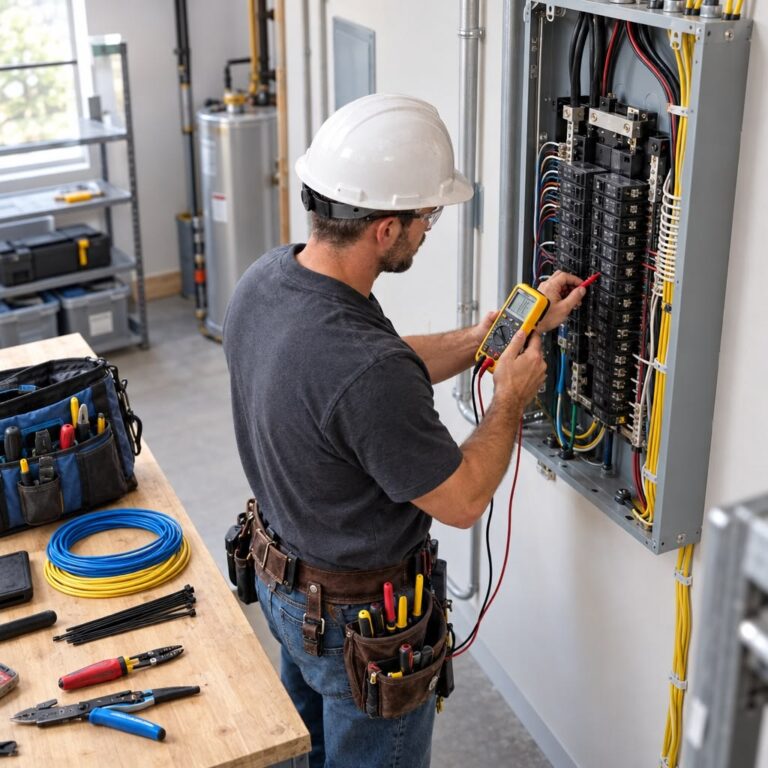
This is where the electrical load calculation comes into play. Your electrician will calculate all the energy-consuming devices in your home, such as your HVAC system, water heater, range, dryer, and lighting. Finally, he will determine if your panel can accommodate another 40 to 60 amps charger. This process is also known as electrical capacity assessment. You may require upgrading your system if
- Your panel is full, with no open breaker spaces
- You have 100-amp service and a lot of large appliances
- Your panel is old, damaged, or a known problem model
- You plan to add more than one EV charger
- You’re also planning solar, a hot tub, or other big loads
The 200-amp service leaves a margin of room for most houses. However, where your house fails to meet that, you might have to consider the idea of upgrading your house’s service in the long run. It costs between $1,000 and $4,000. In some instances, a better solution could be sub-panel installation for the EV charger.
What Is a Load Management Device?
This is a way to help you save serious cash. The load management device keeps an eye on your home’s overall electric consumption, and it will automatically reduce the current to your charger if another large appliance starts up, such as a clothes dryer or air conditioning system. This allows you to use your current breaker panel for your new charger installation, rather than having to replace it entirely.
Plug-In vs. Hardwired EV Chargers
Not sure which way to go? Here’s how they compare.
Why You Need a Permit and Inspection for Your EV Charger
A new 240-volt circuit installation usually entails an electrical permit, as the city sends an inspector to confirm that everything is done safely. In San Antonio, the Development Services department is responsible for permitting. It is your licensed electrician who will pull the permit and schedule the inspection for you.
Everything has to comply with the National Electrical Code, such as the 2023 NEC, as well as any amendments made by your city. You do not have to worry about knowing what needs to be done – the licensed electrician will know what needs to be done for your address. Having TDLR-licensed electricians does the job makes sure that everything is done safely and legally, which not only saves you, but it helps with your homeowners’ insurance and selling the home later.
Whole-Home Surge Protection for EV Chargers
The electric vehicle charger you use is an expensive piece of electronics that is connected to a heavy load. Additionally, your charger is connected to a car that is worth tens of thousands of dollars. If there is any spike in voltage due to lightning or switching in the utility grid, it may destroy your charger and your car’s charger circuit. This may cause damage to other electrical systems in your home.
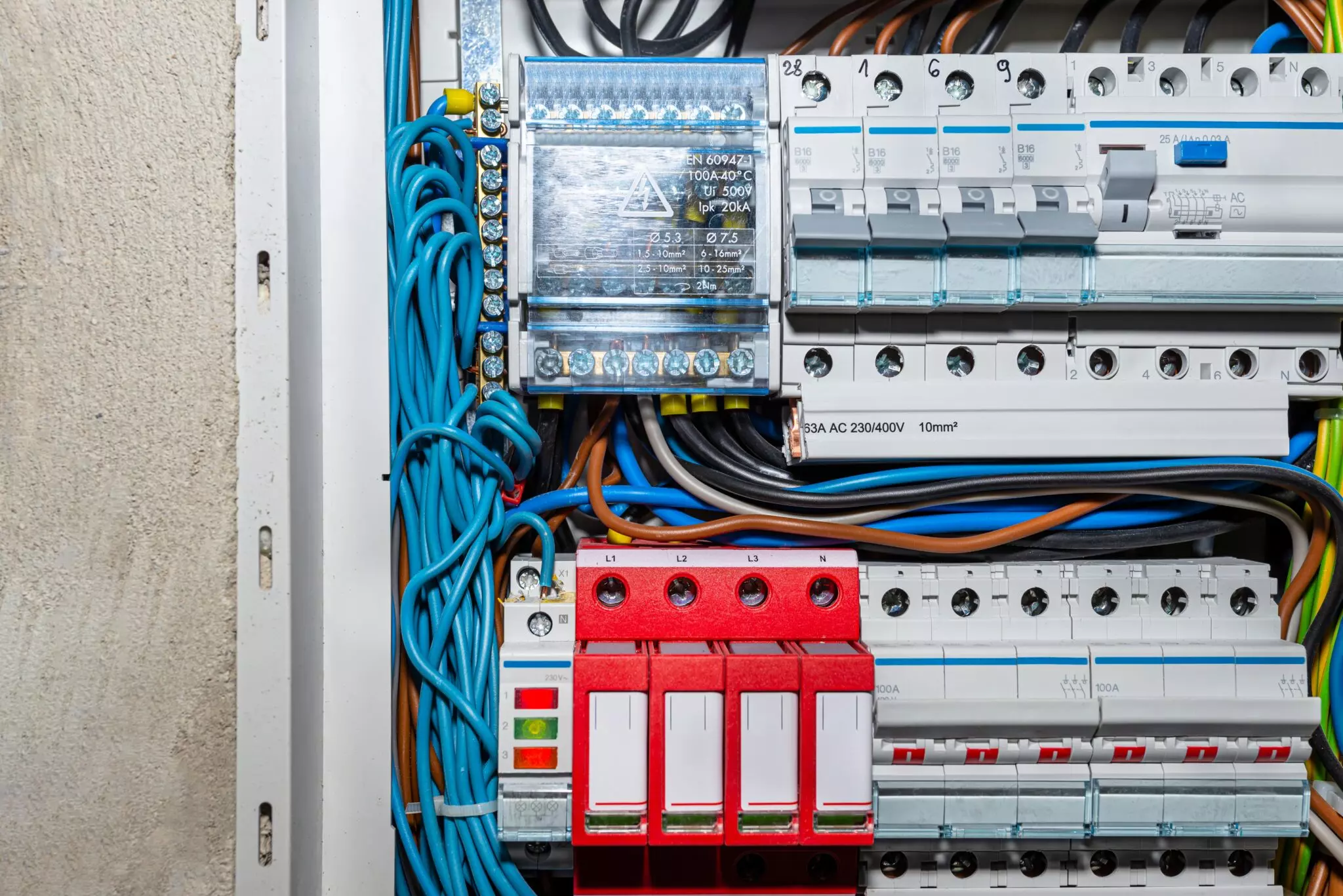
This is why surge protection for your EV charger is worth mentioning. A whole-house surge protector installed in your electrical panel will protect not only your charger but also your heating, ventilating, and air conditioning system and all other electronics in your home. The cost of installing a whole-house surge protector while installing your EV charger will be lower than hiring an electrician again for another visit.
How Long Does it Take to Install EV Charging Stations?
It depends on the complexity of the job. A straightforward installation may take several hours to a full day. If there are upgrades required on the electrical panel, wiring and trenching, that may take longer. The paper work should not be overlooked as well. The permit and inspection schedule depend on how busy the city is.
How to Get an Accurate EV Charger Installation Quote
Use this checklist so your quotes are easy to compare.
- Ask whether the quote includes the charger equipment
- Request a line-by-line EV charger installation cost breakdown
- Confirm the electrician will perform a load calculation
- Ask who pulls the permit and handles the inspection
- Confirm they’re a licensed electrician with insurance
- Ask about the charger brand and warranty
- Find out how they handle surprises, like finding panel issues mid-job
- Ask about financing options if the total feels steep
Also check current incentives. Utility programs, special EV rates, and tax credits change often, so it’s smart to ask CPS Energy and a tax professional what’s available right now before you buy.
EV Charger Installation in San Antonio, TX
Some things to consider when you live in San Antonio are quite specific to the local situation. Hot summers in Texas increase the load on your electrical panel due to heavy usage of air conditioning, making your load calculation particularly relevant in this case. A great number of houses in the area are quite old, and many of them have panels that require additional maintenance before adding a charger. With storm season coming to the Hill Country region, installing surge protection could be useful.
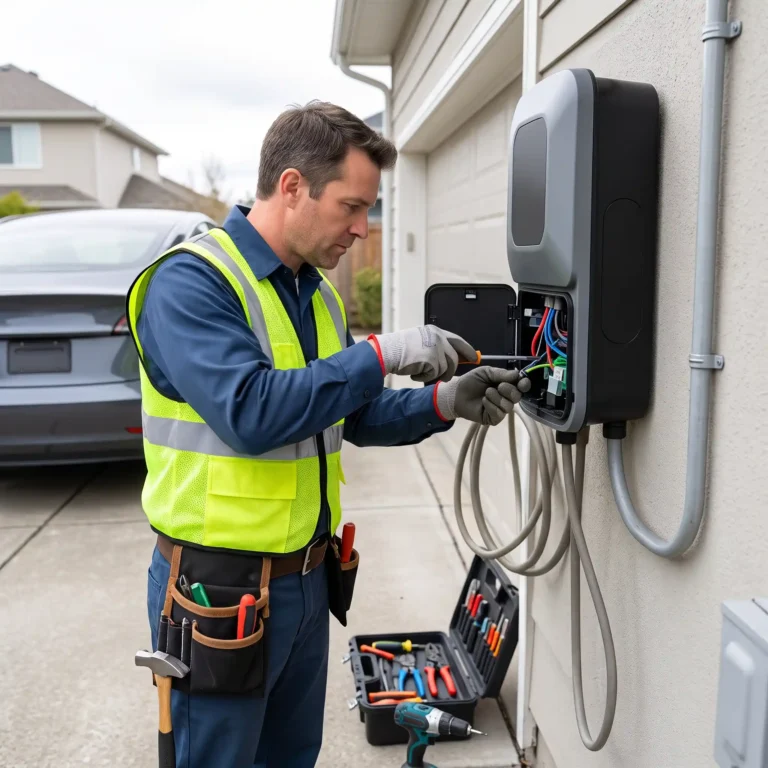
The professionals from Cobalt Electrical install EV chargers in San Antonio, Bexar County, Comal County, New Braunfels, and San Marcos. We’ll provide you with our licensed electricians to perform the load calculation, provide a dedicated 240-volt circuit, arrange a permit and an inspection, and upgrade or even add a subpanel. We’ll be honest and transparent regarding your needs and provide only necessary installation.
Get Your Free EV Charger Installation Estimate
Got questions about pricing? Contact Cobalt Electrical or get your free estimate now. We will perform an evaluation of your electrical panel to determine the circuit required for your car, giving you a fair price.
Frequently Asked Questions