Is It Time to Upgrade Your Electrical Panel? Here's What Homeowners Need to Know
It is not often that people give thought to their home’s electrical panel until the moment comes when they have no choice but to do so. It could be because the circuit breaker blows each time they try to use both the air conditioner and microwave together. It could be because the inspector walking through their house for the sale points out that it is outdated.
If you’ve landed here, you’re probably trying to figure out how much does it cost to upgrade electrical panel systems, when to upgrade electrical panel equipment before it becomes a real problem, or whether you even need a permit for any of it. We’ll walk through all of that, plus what the process actually looks like once you decide to move forward.
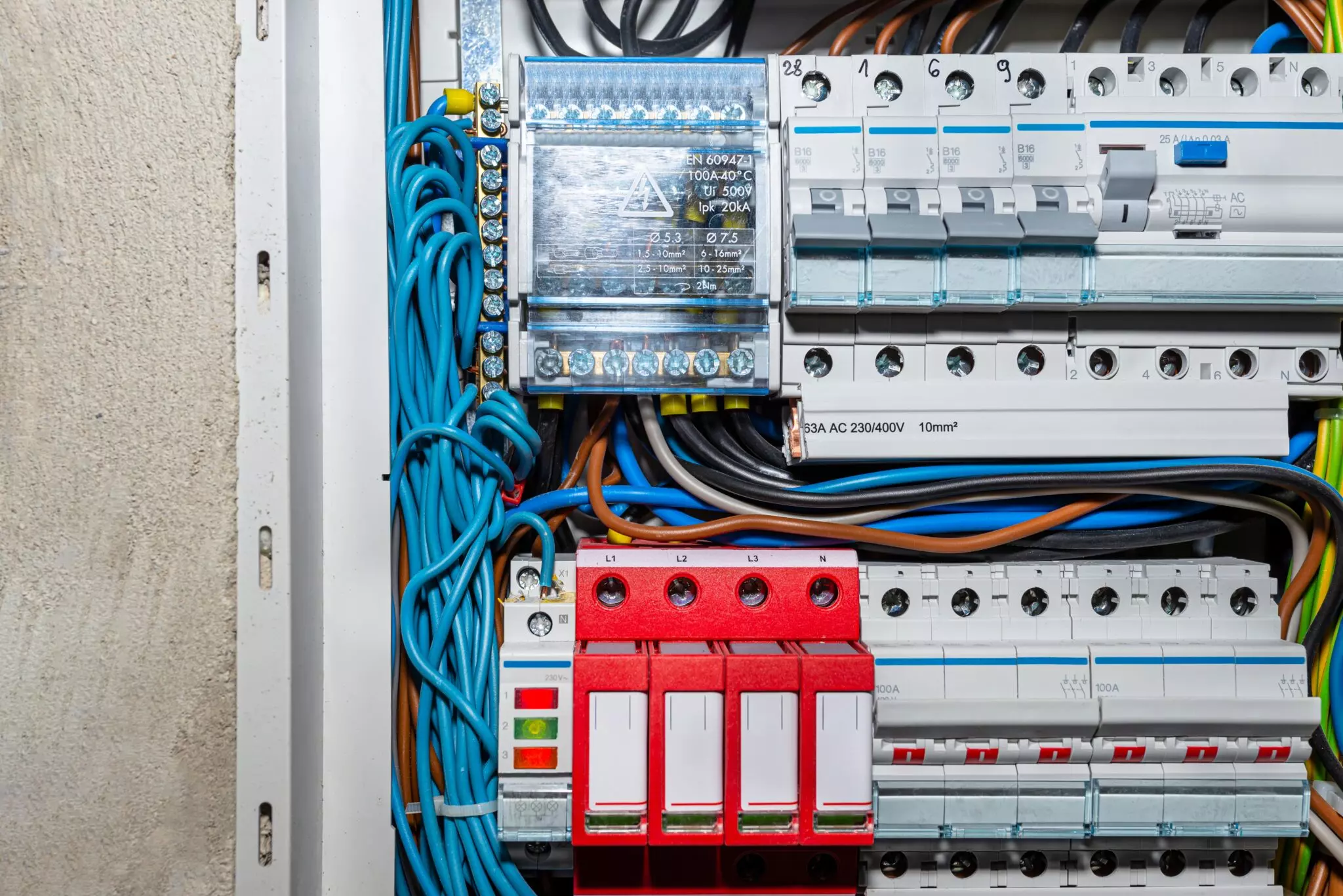
What an Electrical Panel Actually Does
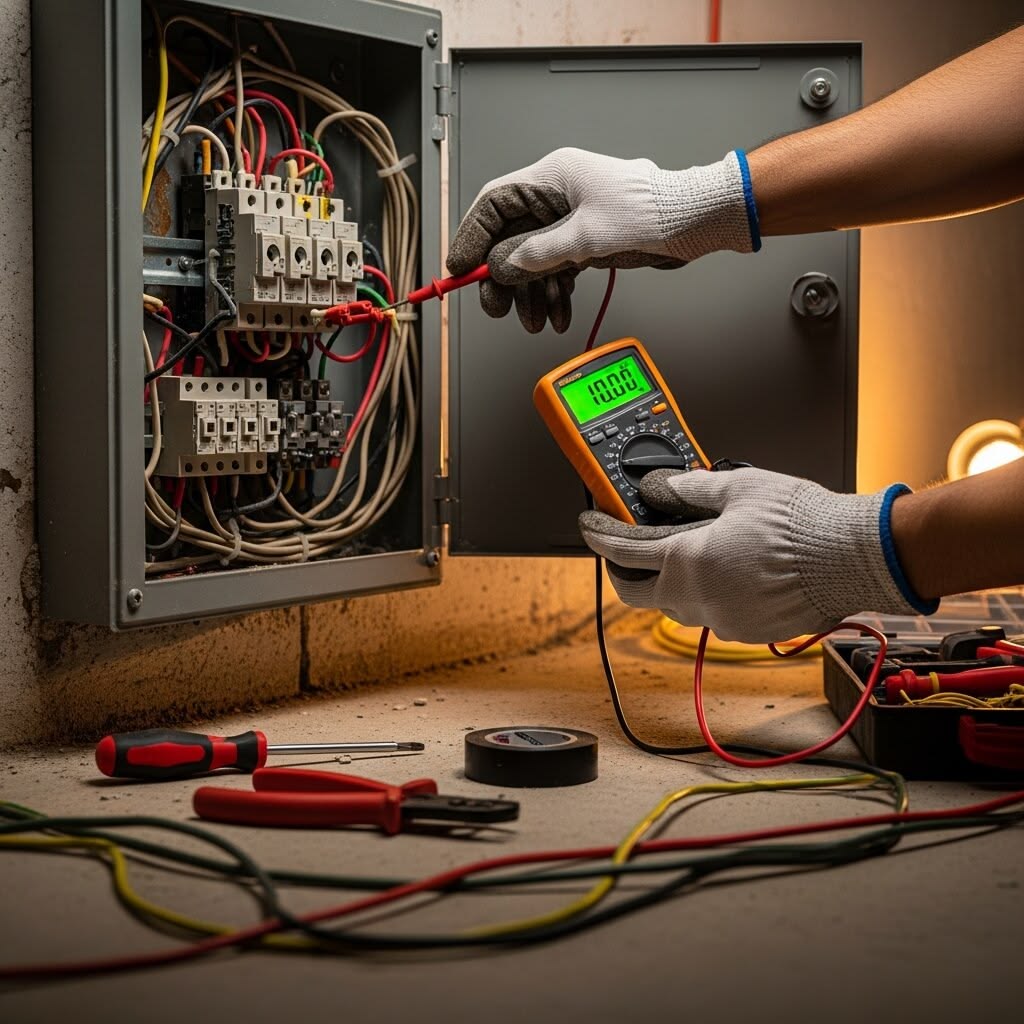
The panel is where power coming in from the utility company gets split up and sent to every circuit in your house. Each breaker inside it is protecting one circuit, and it’ll shut off automatically if something overloads that circuit or shorts out.
People mix up a few terms here pretty often. The meter box sits outside and measures your electricity use. The panel itself is usually tucked away inside somewhere, a garage, a basement corner, a hallway closet, and that’s where the breakers actually live. Then there’s a subpanel, which is a smaller secondary panel added when a home needs extra circuit space, or when power needs to reach something like a detached garage or a workshop out back.
Panels get rated by amperage. Most homes run on 100 amp, 150 amp, or 200 amp service. Bigger homes, or ones with a lot of electrical demand, sometimes need 400 amp service instead. That number is basically telling you how much load the panel can safely carry at one time.
When to Upgrade Your Electrical Panel
Panels rarely just die out of nowhere. There are usually signs first, and it helps to know when to upgrade electrical panel equipment in San Antonio before you’re dealing with an emergency.
If a few of these sound familiar, it’s worth having someone take a real look before it turns into something worse.
How Much Does It Cost to Upgrade an Electrical Panel
Considering the current pricing statistics in the country, home owners usually find themselves in the range of $800 to $4,500, with the majority ranging from $1,300 to $2,500. The exact placement will depend on the extent of the project, the amperage needed, and how labor is priced in the local market.
Here's roughly how it breaks down by project type.
A handful of things tend to push these numbers higher. Older wiring that has to be brought up to code is a big one. Permit fees usually add another $50 to $300. Drywall repair after the work is done can run $150 to $300 on top of everything. Tight or hard to reach panel locations add labor time too, and regional labor rates alone can swing the total by 40 to 60 percent depending on where you live.
None of these numbers replace an actual quote though. The real answer to how much does it cost to upgrade electrical panel work in your specific home comes from a licensed electrician looking at your setup in person.
Do I Need a Permit to Upgrade My Electrical Panel?
Yes, almost always. In nearly every part of the country, upgrading or replacing a panel requires a permit and a follow up inspection. It’s not just red tape either.
A permitted job means someone actually verified the work meets code, which matters for safety and for your insurance. If something goes wrong down the line and the work was never permitted, insurance companies have denied claims over exactly that. Unpermitted electrical work also tends to surface during home inspections, and it can hold up or kill a sale entirely.
In most cases, the electrician you hire handles the permit paperwork, not you. That usually involves submitting an application to your local building department, running a load calculation that proves the new panel can actually handle your home’s power needs, and scheduling a final inspection once the work wraps up. If the meter or service line is involved, your utility company gets looped in too.
Therefore, when you ask whether I need a permit for the panel upgrade, the quick answer will be yes. There will be no benefit from doing this since you risk facing hefty fines, having to perform the task again, difficulties with your insurance, and problems selling the property.
How to Upgrade an Electrical Panel
Most straightforward jobs wrap up in a single day. Bigger projects, especially ones needing utility coordination, can stretch longer.
Signs You Should Call Someone Today vs Signs You Can Plan Around
There are some cases where time is of the essence. These include situations where you are able to smell burning, see scorching, notice sparking, and have a circuit breaker which simply cannot be reset.
Other situations give you more breathing room. Wanting to add an EV charger, noticing your panel is getting older but still working fine, planning a future addition, or just wanting peace of mind before listing your house, these are all things you can schedule on your own timeline rather than treating as emergencies.
Why This Isn't Something to DIY
A panel carries your entire home’s electrical load, and getting something wrong here can mean fire, electrocution, or serious code violations. Most areas also legally require a licensed electrician for this kind of work in the first place, and doing it yourself without a permit can void your homeowner’s insurance completely. A licensed electrician brings the training, the equipment, and the ability to actually get the permit approved and pass inspection.
Ready to Upgrade Your Electrical Panel?
If any of these symptoms appear on your panel, or if you have a project that needs extra electricity, we can inspect your panel and show you what your choices are. Contact Cobalt Electrical today for a free consultation or a quotation.
Frequently Asked Questions